
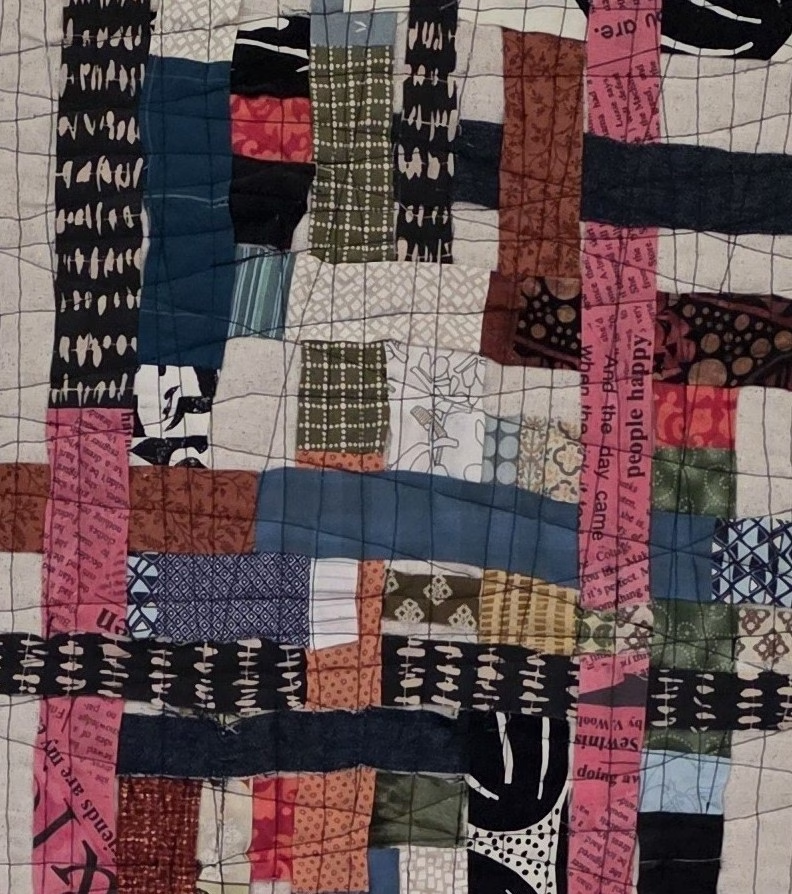
Welcome to the end of Women’s History and National Craft Month. This is a blog post on women who are making waves in their respective textile arts crafts. If you missed any of my posts during March, please read them here:
National Craft Month – Crafting is a Way of Life
National Craft Month – Hooray for Crochet!
Being a multi-hyphenate can sometimes make you feel all over the place, but for those of you who know, it can also be a blessing. As I was putting this month’s blog posts together, I noticed that all of these women started off doing many different things with their hands, like crochet, knitting, sewing, quilting, etc. I’m convinced that when you work with your hands, you can do many crafts or arts. Beauty is in making things or at least that’s how I feel.
“A Man who works with his hands is a laborer,
A man who works with his hands and his brain is a craftsman,
A man who works with his hand and his brain and his heart is an artist.” – Louis Nizer
Replace that with “woman” and this is my exact sentiment. These next women have been creating their own niches in their respective fields, work with their hands, brain and heart and are truly artists.
Textile Art
What is textile art you ask? Textile art is what happens when fabric stops behaving and starts showing off. It’s art created with fibers, fabrics, yarn and thread — stitched, woven, knotted, layered, tufted, and sometimes completely overachieving. Those gorgeous textured wall hangings that make you want to suddenly become a “fiber person.” Textile art sits right in that sweet spot between cozy craft and full-blown statement pieces, where texture is the star and the materials do all the talking. It can be functional, like a quilt, or purely decorative, like a dramatic woven piece that makes your wall look more interesting than your entire personality. Either way, the fabric isn’t just part of the art — it is the art.
Weaving
Weaving, one of the earliest human technologies, dates back to the Paleolithic era and has played a crucial role in the development of societies around the world. From simple looms to factories, weaving has evolved alongside technological advancements. Quilting, with roots in ancient Egypt and China, became widespread in Europe during the Middle Ages as a practical means of creating warm bedding.
Julie Robert
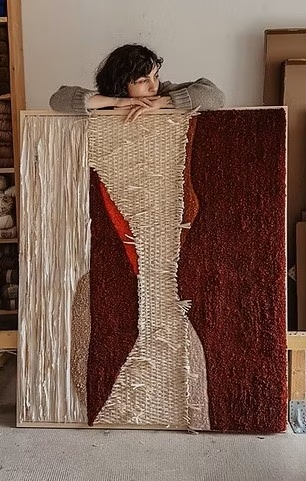
When Julie was in Iceland in 2013, she discovered weaving. She’s a French born artist and started off styling magazine shots and working on advertising campaigns. Looking for an artistic outlet, weaving came just in time. After creating several pieces after her trip to Iceland and selling them right after that to a Seattle retail store in 2014, she decided to go into her art full time.
She loves taking natural fibers and turning them into something special with dramatic shapes and stitching. Now she creates weavings for clients all over the world and teaches workshops in her craft.
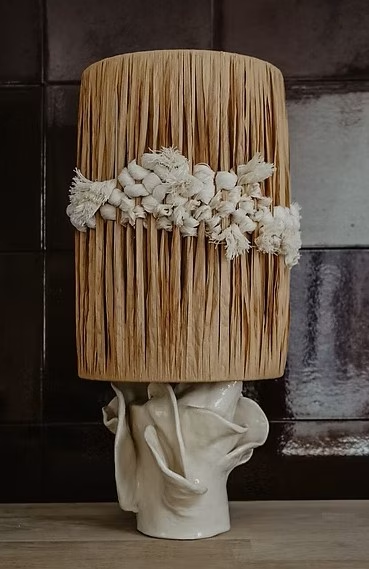
Talk about statement lighting. This combines three of my most favorite things: modern organic design, weaving and ceramics.
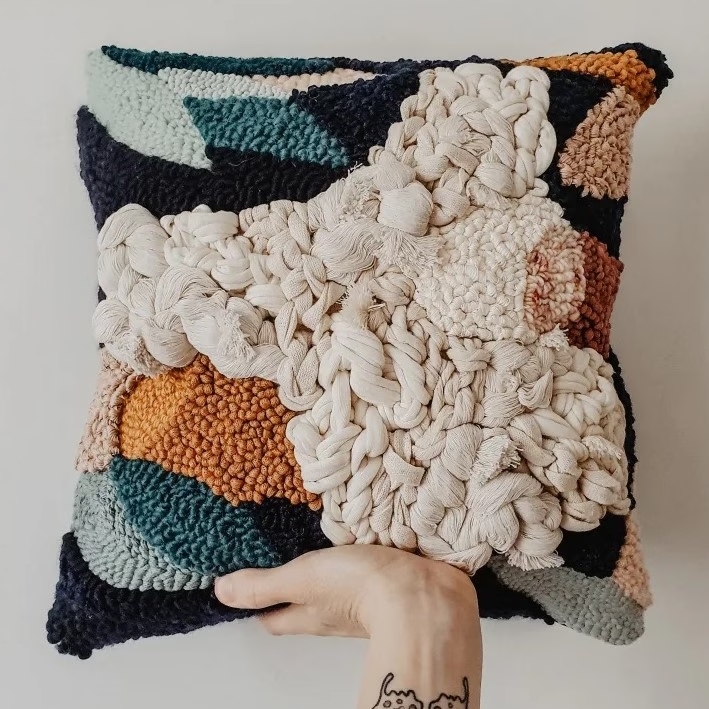
Here is a beautiful pillow of hers that is also taught in one of her courses on domestika.org as well as other courses. This is giving me life.
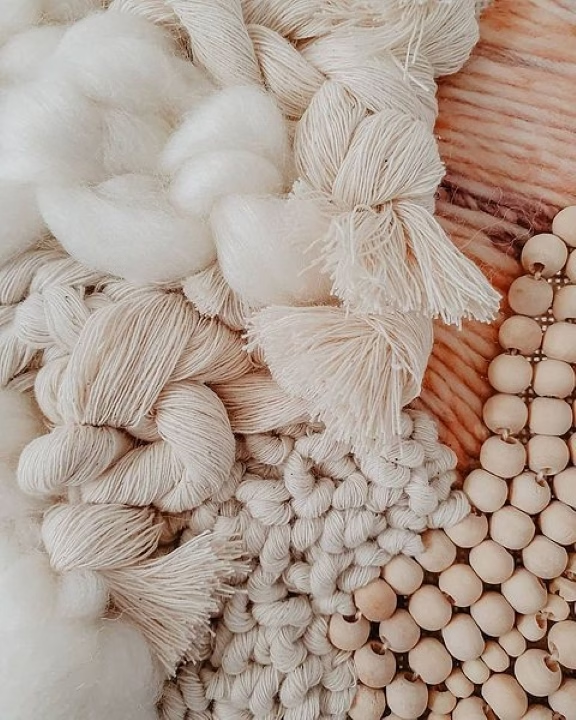
An up close look at Julie’s weaving which includes beading. I love large scale stitching in a woven art piece.
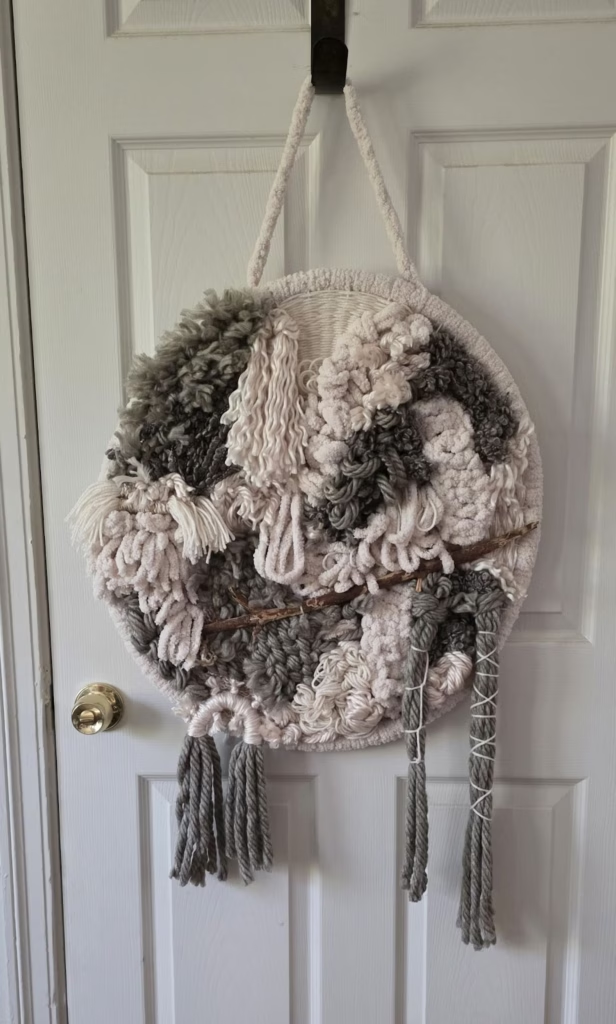
This is my attempt at weaving a circle wall hanging using a Dollar Tree hula hoop. A lot of trial and error, but the excitement in coming up with different knots, textures, materials and techniques was right up my alley. I even wove in a stick I found in my backyard. Creativity at its finest.
Macrame
Macramé is the art of knotting cord or rope to create decorative patterns and textiles. It has ancient roots dating back to the 13th century when Arabic weavers introduced the technique to Europe. Macramé gained popularity during the Victorian era, with elaborate knotted curtains, tablecloths, and shawls. It experienced a revival in the 1960s and 1970s as part of the hippie and bohemian movements, with macramé used to create plant hangers, wall hangings, and jewelry. Today, it’s enjoying renewed interest with artisans experimenting with new designs and incorporating modern materials to create contemporary works of art.
Alexis Rainey
Atlanta Macrame Co | @atlmacrameco
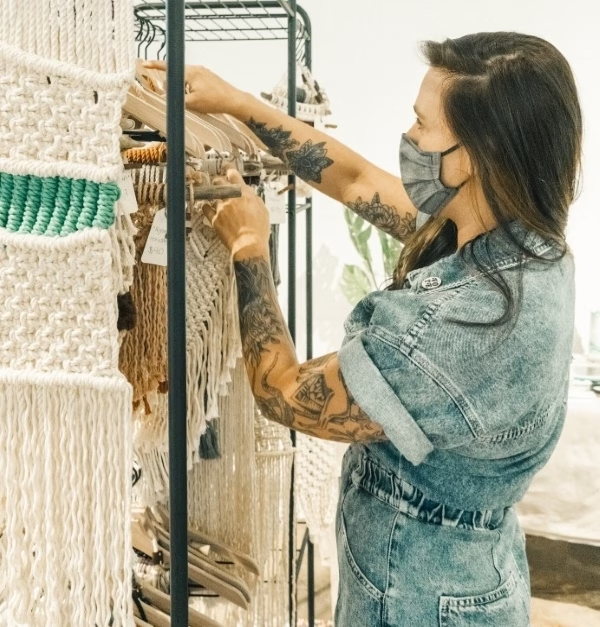
Alexis founded the Atlanta Macrame Co in 2018 after trying many different kinds of textile arts like weaving, crocheting and knitting. She fell in love with macrame and that was it. She sells pre-made works, does custom work, sells kits and provides workshops in person and virtually.
What I love about her is she doesn’t just do just the “boho-chic” type of macrame in one color. There’s nothing wrong with that, but it’s refreshing to see a different perspective with her use of color and what is termed “macra-weaving” which means mixing weaving techniques with macrame. I also love that she uses branches as her dowel. I’ve been gathering branches to start my own macrame journey one day.
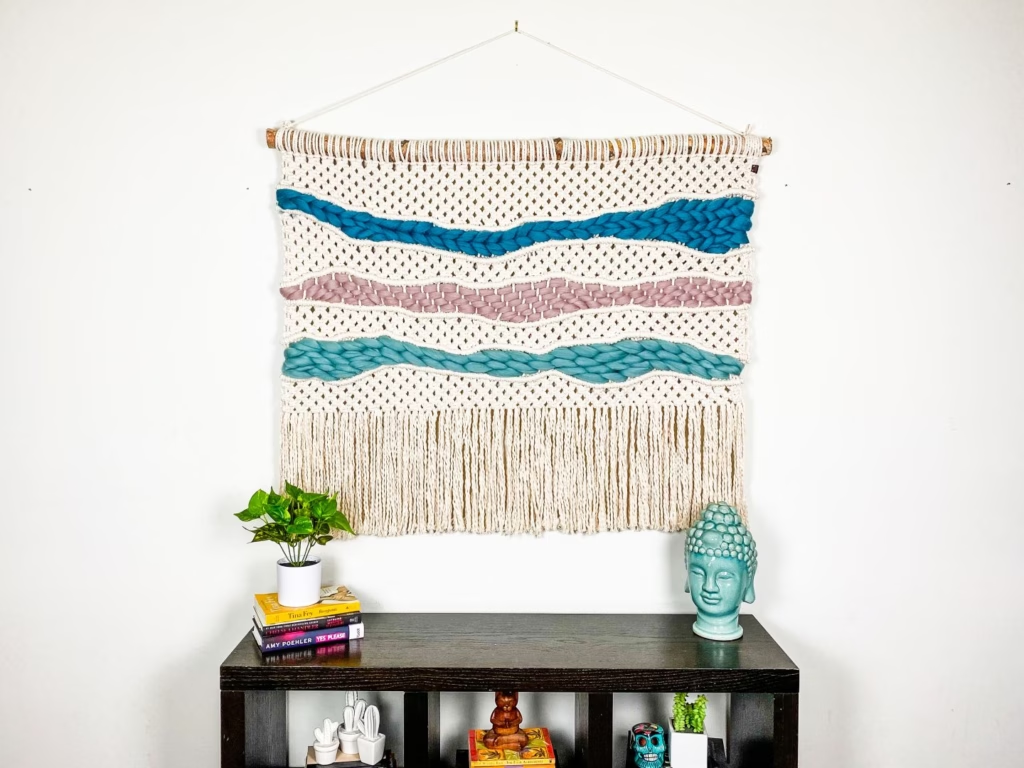
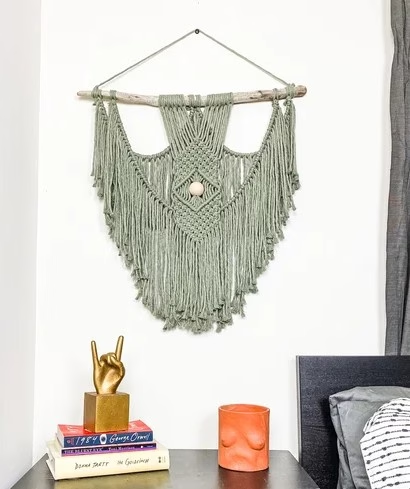
This macra-weave wall hanging combines both weaving and macrame to create something one of a kind.
I love the double layering of this piece and it has my favorite “found object”; a stick as the dowel. So great.
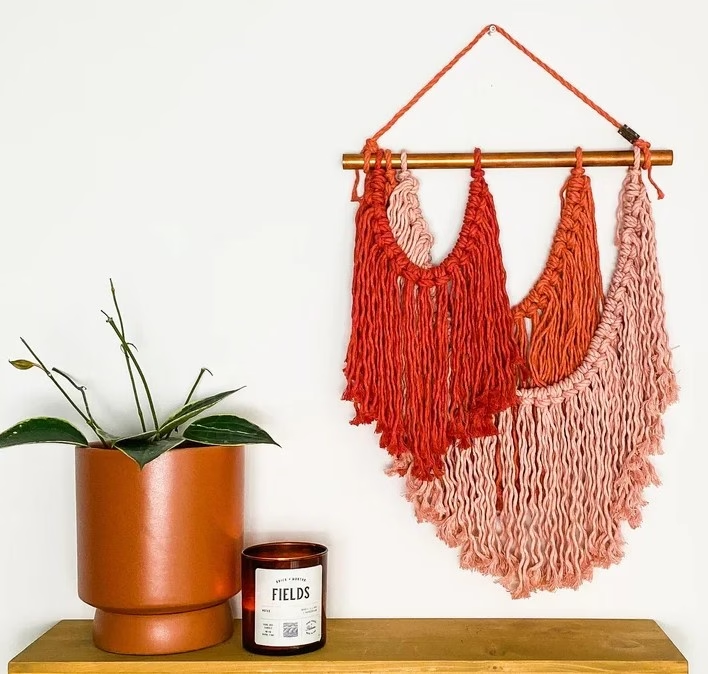
If you need a little color in your life, this wall hanging with a copper pipe dowel is just so cute.
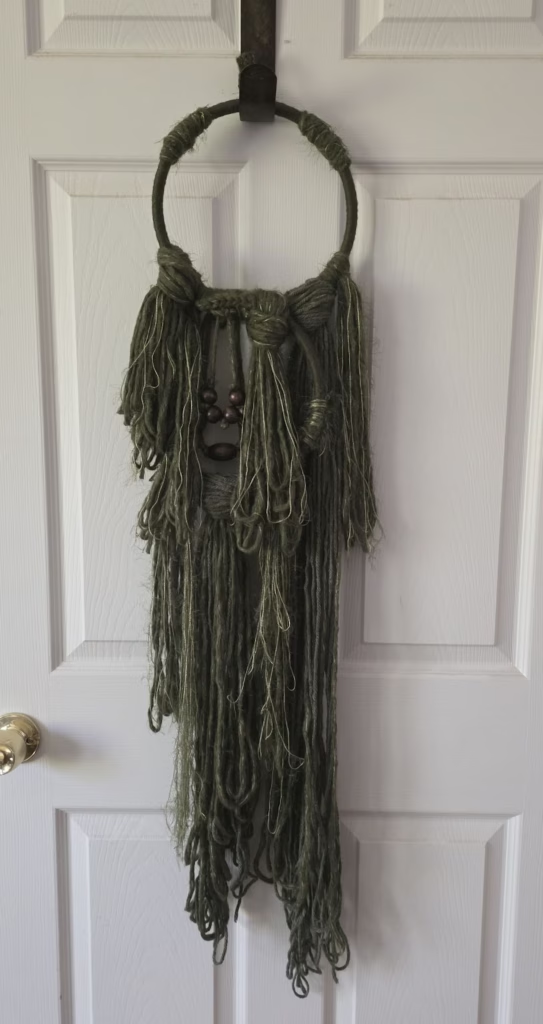
I’ve tried some macrame using traditional macrame cords but this wall hanging I wanted to be very loose and organic. I picked different textured yarns I had in my stash and used only the larkspur knot. I also added some brown wooden beads at the last minute to add a little sumthin’ sumthin’. I love the way this came out.
Quilting
Quilting, with roots in ancient Egypt and China, became widespread in Europe during the Middle Ages as a practical means of creating warm bedding.
Today, quilting is both an art form and a practical skill, with diverse styles and techniques.
Audrey Esarey
Cotton and Bourbon | @cottonandbourbon
Audrey is from Kentucky, hence the bourbon in the name and she’s also been known to partake while she’s quilting. She considers herself a maker and started off sewing. She began quilting in 2005 and after 2018 she realized her goal of being able to exhibit her works in juried shows like Quilt National, QuiltCon, the International Quilt Festival and has won many awards.
She’s known for her modern and curved designs and close stitching. She does all the things like clothing, wall hangings, works on canvas, teaching, workshops, online classes, custom quilts, tutorials and quilt patterns. Please check her out, she is so dope!
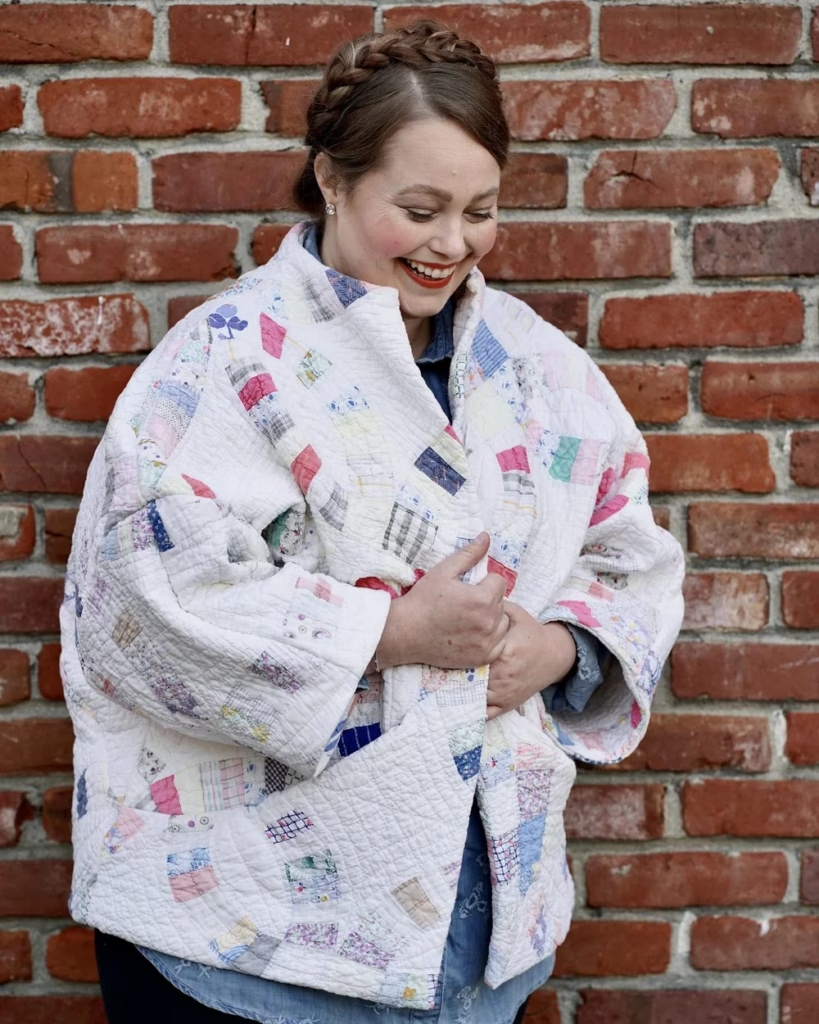
These two spectacular pieces of quilt art combine circles, and show just how exceptional Audrey is working with circles. For many, working with circles is the most intimidating and least favorite shape because of its difficulty. For her, it’s her superpower.
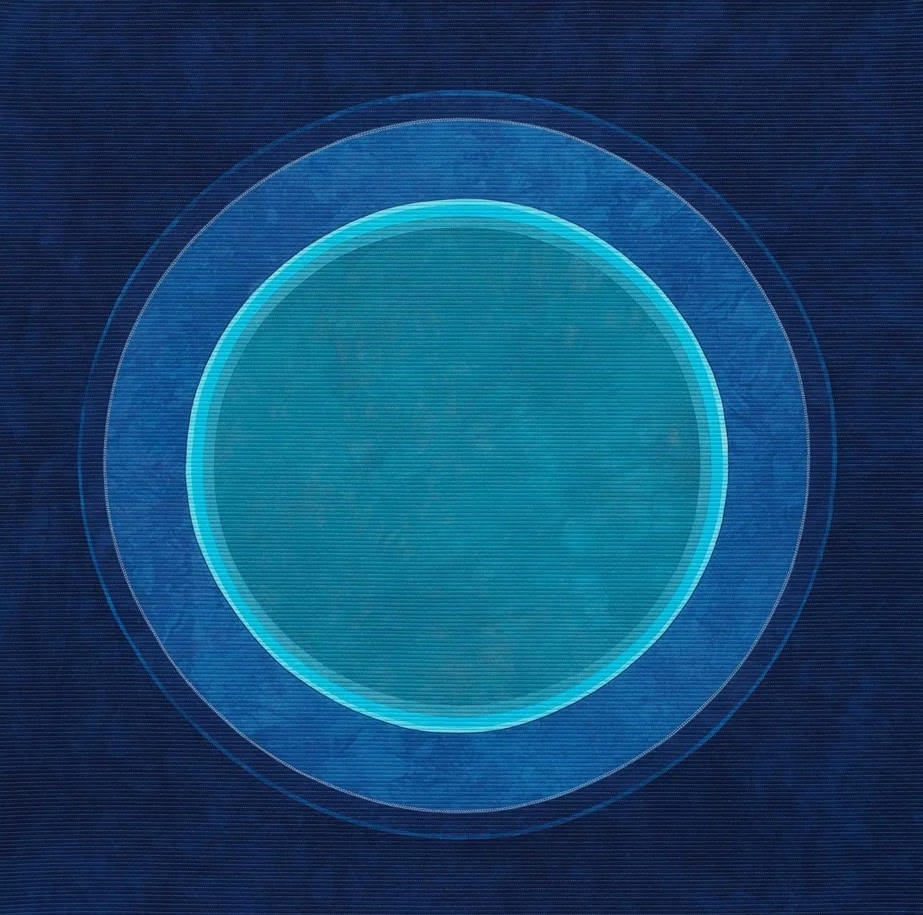
As a quilter, when I tell you how hard it is to get these quilt lines straight like this; believe me. This is incredible.
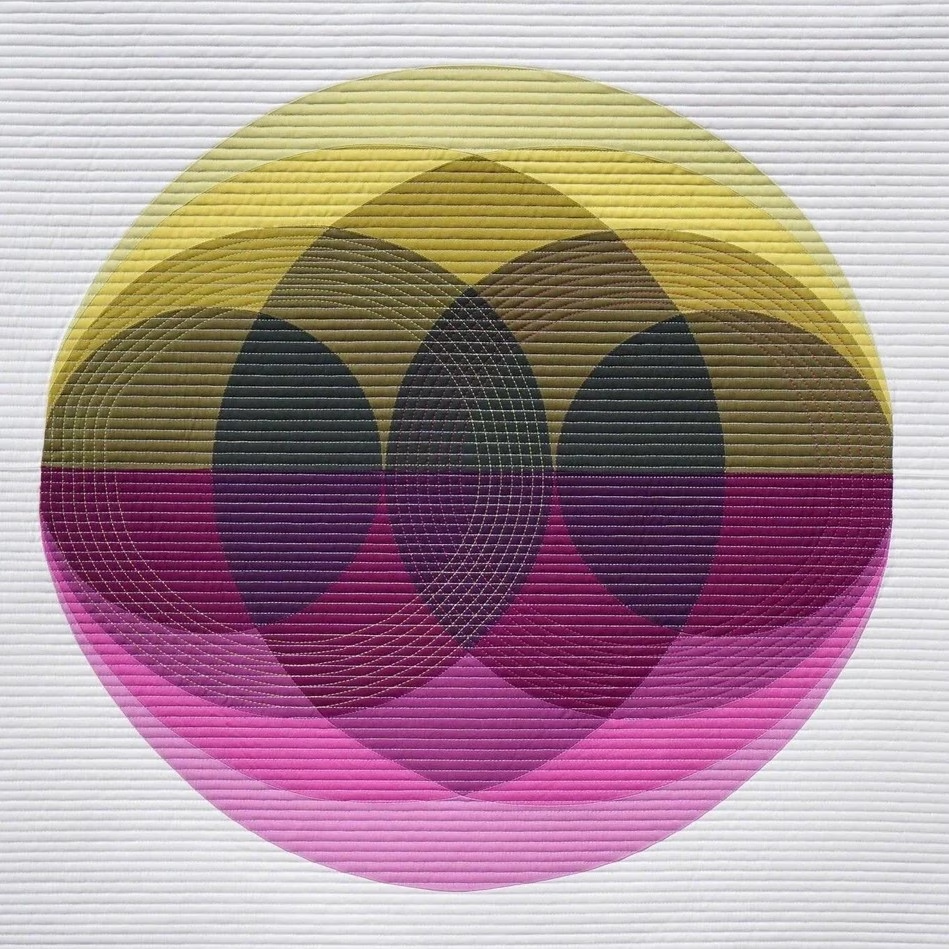
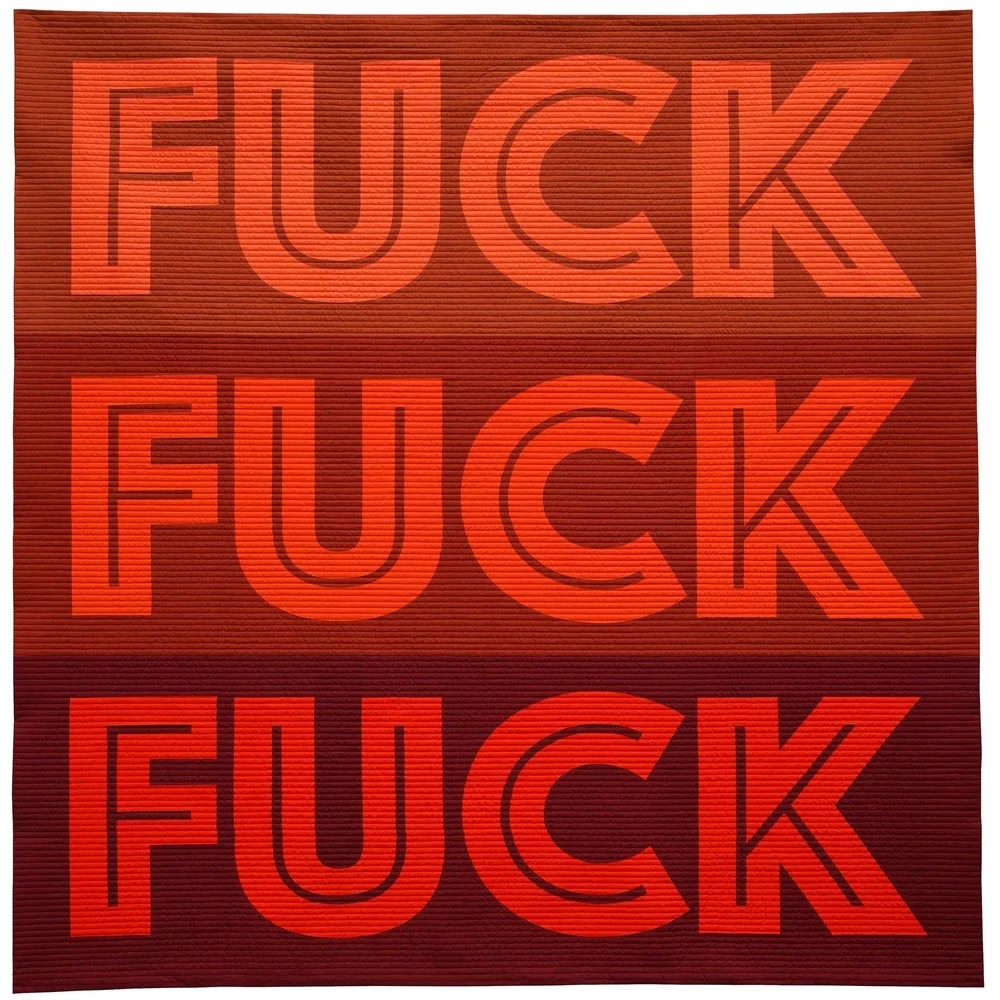
And let’s just say, this is my absolute favorite cuss word but don’t tell anyone.
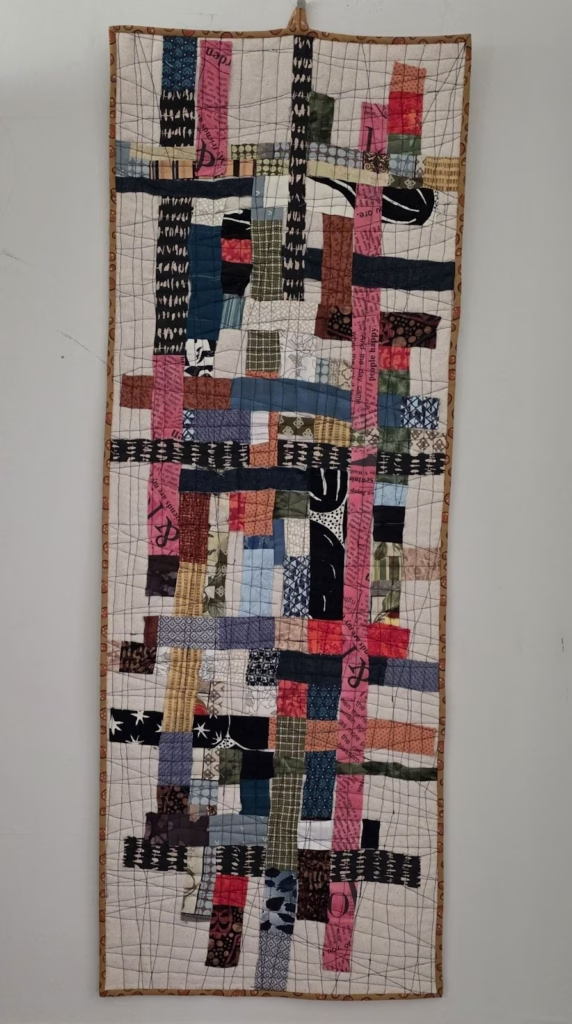
One of my first attempts at quilting a wall hanging using strips of leftover fabrics. This is another one where you can really be free and do what you want. These are definitely in my future, since they take much less time than regular quilts so you get to the fruits of your labor much quicker.
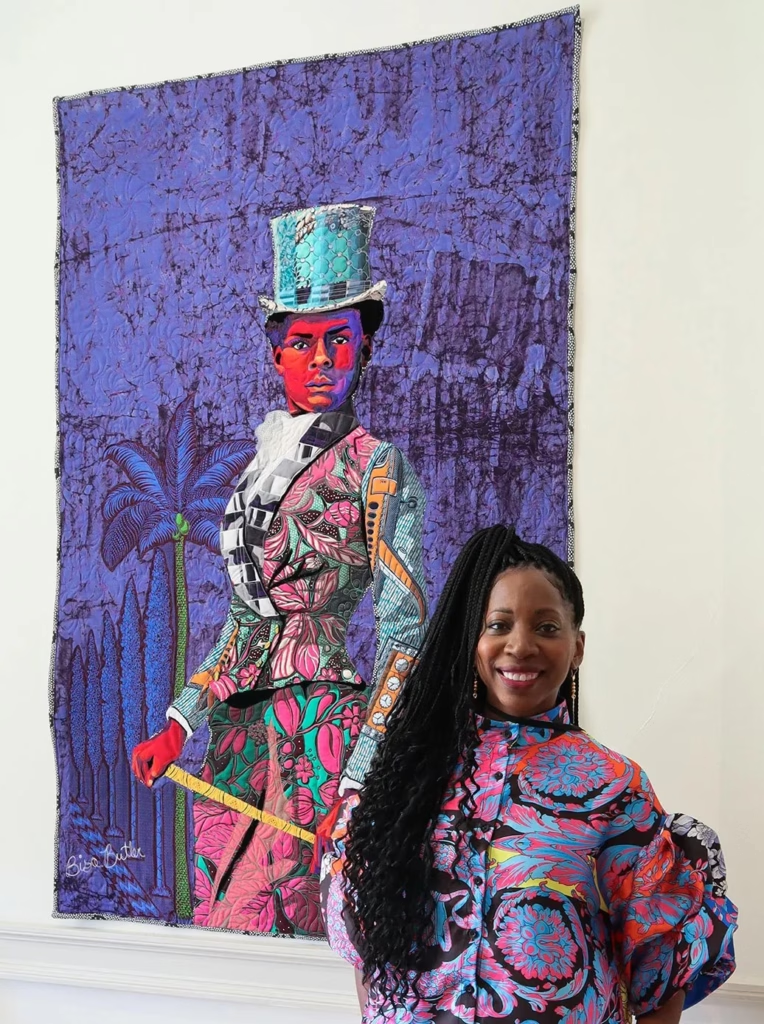
I would never do a post about quilt art and leave out the Queen herself; Bisa Butler, okay? I’ve done many posts about her and her work. Here’s her instagram and just ONE of her many amazing pieces. Her artwork is sheer perfection. Enough said.
@bisabutler
So, I might sound like a broken record, but I truly believe something good came out of the pandemic as far as slowing down and taking your time to enjoy life and leisure time again. A newfound love of crafting and artisanal works emerged from the darkness of that time and it is still in evidence nearly six years later. I truly believe there’s always a silver lining.
Are you a crafter, artisan, maker or all three? Let me know in the comments what you think about craft vs art and if you’ve enjoyed this month’s series of posts.
See ya next time.

0 Comments